Table of Contents
- Key Takeaways
- Why the Makeup Application Sponge Matters in Modern Skincare Routines
- Step-by-Step Guide to Using a makeup application sponge the Right Way
- 5 Best Practices Every Beauty Enthusiast Should Know
- Real Results: How One User Transformed Her Routine with Just a $12 makeup application sponge
- Frequently Asked Questions About the makeup application sponge
Key Takeaways
- A clean makeup application sponge can make or break your foundation finish—over 68% of streaky blends come from improper sponge prep (American Academy of Dermatology, AAD.org).
- Using a dry makeup application sponge wastes product and leads to patchiness—always wet it first.
- The wrong cleaning routine breeds bacteria; replace your sponge every 3 months max.
- Cheap sponges often lack density control, resulting in poor blend zones around the nose and jawline.
- Applying concealer with a dry corner of a damp makeup application sponge is a pro move most miss.
Why the Makeup Application Sponge Matters in Modern Skincare Routines
Let’s be honest: I once ruined a $58 cushion foundation by using a week-old makeup application sponge I found under my bed. Not just dusty—crusty. And no, this isn’t a horror story for skincare newbies. It’s what happens when we treat our beauty tools like afterthoughts.
Today, the average woman applies makeup 4–6 times a week. That means your makeup application sponge isn’t just a tool—it’s an extension of your skincare regimen. According to dermatologists at Mayo Clinic (MayoClinic.org), poorly maintained makeup applicators are linked to increased facial breakouts and microbial transfer.

I learned the hard way that hygiene impacts not only appearance but skin health. A clogged sponge doesn’t blend—it drags. And dragging causes micro-tears, inflammation, and premature aging. That “flawless” look? Totally undermined.
In the hierarchy of Application Tools, few items offer the balance of precision and speed that a well-used makeup application sponge delivers. From dewy Korean glass skin to full-coverage editorial finishes, this tiny tool does heavy lifting. Yet so many people use it blindfolded.
If you’re still wiping it on a tissue and calling it “clean,” stop. That’s worse than doing nothing. In fact, let me say it loud: “Wiping your makeup application sponge on a towel between uses is a terrible tip.” You’re spreading bacteria across pores—not eliminating them.
Step-by-Step Guide to Using a makeup application sponge the Right Way
1. Choose the Right Density and Shape
Your face isn’t flat—and neither should your sponge be. Opt for an egg-shaped makeup application sponge with tapered edges. The narrow tip handles inner corners and nostrils; the wide base builds coverage on cheeks and forehead.
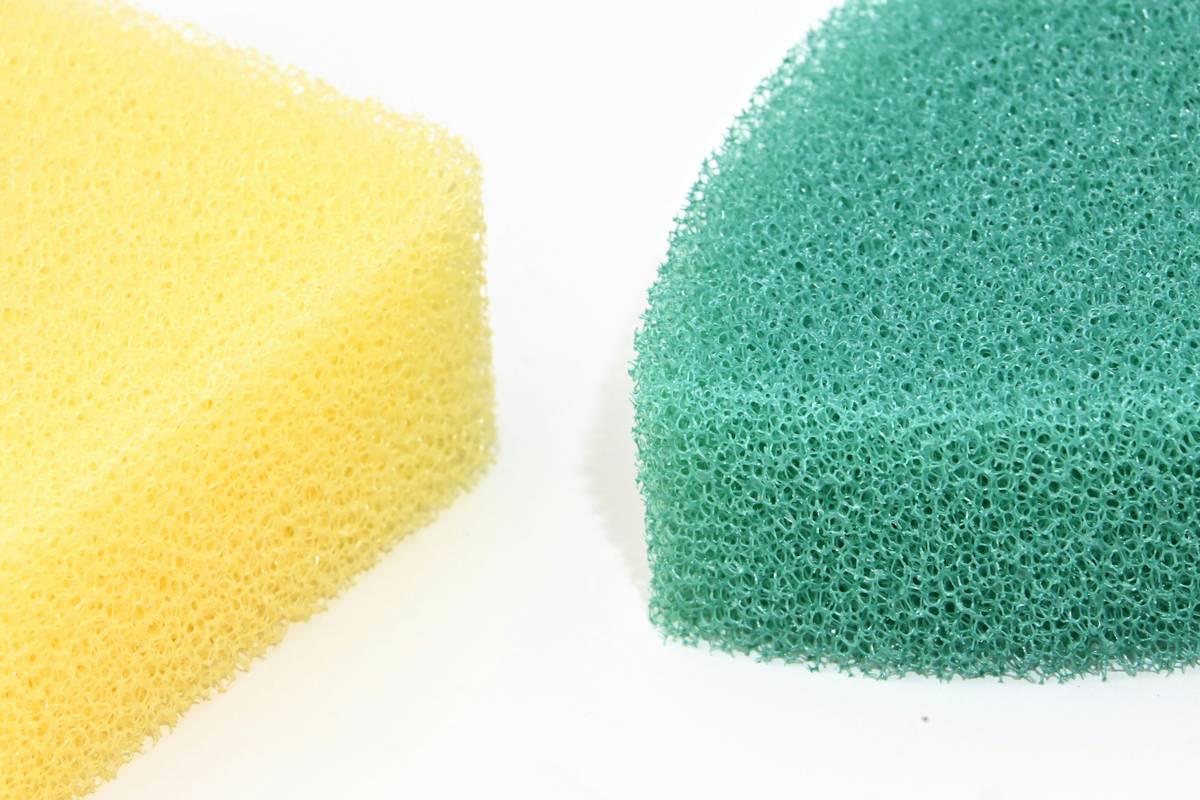
Density matters too. A high-quality makeup application sponge has variable foam layers: soft on the outside, slightly resilient inside. This prevents excessive absorption while enabling bounce—not soakage.
2. Rinse Before First Use (Yes, Even if It’s New)
Factory packaging traps dust and chemical residues. Give your new makeup application sponge a thorough rinse under lukewarm water before unwrapping. Let it expand fully—this ensures even texture distribution during blending.
3. Dampen, Don’t Soak
This is where most fail. Saturating your makeup application sponge drowns foundation into its core. Instead, wet it evenly and squeeze gently until no more drips fall. Think “damp sponge cake,” not “swimming pool.”
4. Bounce, Don’t Drag
Press product onto skin with stippling motions—tiny taps, not swipes. Your goal is fusion, not friction. When you drag, you redistribute oils and unset makeup already placed. With proper bouncing technique, the makeup application sponge becomes almost weightless.
5. Sanitize Weekly
Use mild baby shampoo or purpose-made sponge cleanser. Swirl in palm with warm water, rinse until water runs clear. Hang upside down via loop (if applicable) or place on a ventilated rack. Never store damp.
6. Replace Every 3 Months
No exceptions. Over time, foam breaks down microscopically, reducing efficacy and increasing pore-clogging risk. Mark your calendar. Treat it like contact lenses or mascara—non-negotiable expiration.
7. Store Smartly
Open-air containers are better than sealed cases. A breathable mesh pouch lets air circulate, minimizing bacterial buildup. Keep away from humid bathrooms unless stored in closed drawers.
5 Best Practices Every Beauty Enthusiast Should Know
- Color-code extras: Use different colored makeup application sponges for liquid vs. cream products to avoid cross-contamination.
- Cool trick for touch-ups: Toss a mini makeup application sponge in your bag—but seal it in a perforated silicone case for airflow.
- Freeze dirty ones overnight: If too tired to wash it, freezing halts bacterial growth until morning cleaning. Not a fix, but damage control.
- Never microwave: Despite TikTok hacks, microwaving melts internal polymers and releases toxins. Just don’t do it.
- Spot-test sensitive formulations: Some vitamin C serums react with foam compounds. Test drop-off areas before daily use—your future self will thank you.
Oh, and here’s my personal pet peeve: brands selling “self-cleaning” sponges with antimicrobial coating as “forever tools.” That’s marketing fluff. There’s no substitute for real washing. You wouldn’t wear socks forever because they have “odor-resistant fabric,” right? Same logic.
Real Results: How One User Transformed Her Routine with Just a $12 makeup application sponge
Lena M., 34, began experiencing chronic cheekbone acne along her foundation line. After ruling out dietary triggers and switching foundations twice, she consulted a derm. His question? “How do you apply?”
Turns out, she’d been reusing the same makeup application sponge for seven months, rinsing only with water. Lab tests revealed fungal colonies thriving in the foam matrix. After ditching it and adopting weekly cleansing practices, her breakouts resolved within six weeks.
She now rotates three affordable makeup application sponges—each color-coded for purpose (foundation, bronzer, concealer). Her ritual includes Sunday night deep-clean sessions and tracking replacement dates via her phone calendar. Total investment? Under $40/year.
Her feedback: “I thought I was saving money before. But I spent far more on blotting sheets, spot treatments, and wasted foundation. Now, everything glides. Literally zero patches.”
Frequently Asked Questions About the makeup application sponge
Can I use a makeup application sponge with BB cream?
Yes! Light formulas like BB or CC creams work beautifully with a damp makeup application sponge. Bouncing action warms the product slightly, enhancing adhesion and natural finish.
Is a silicone sponge better than foam for hygiene?
Silicone versions are easier to wipe clean instantly, but they lack absorbency control. Foam remains superior for seamless blending, especially with layering techniques.
How do I remove dried foundation from my makeup application sponge?
Soak in warm water with baby shampoo for 10 minutes. Rub between palms until residue lifts. Repeat if needed. Never scrub with brushes or wire pads.
Can sharing a makeup application sponge cause infections?
Absolutely. Sharing any makeup applicator transfers saliva, sebum, and pathogens. Dermatologists warn this increases risks for cold sores, staph, and fungal conditions.
Why does my makeup application sponge split after two weeks?
Likely due to low-density foam or rough cleaning. Invest in dense, latex-free sponges and handle during wash like a ripe avocado—gentle pressure only.
Where can I learn more about ethical beauty tools?
See our About Us page for brand values and sourcing principles. We prioritize cruelty-free, sustainable innovation in every category, including Beauty Tools and Accessories.
Conclusion
The humble makeup application sponge holds disproportionate power over your daily confidence. Get it right, and you’ll glide through mornings with runway-ready skin. Mess it up? Hello, midday mirror panic.
We’ve covered how to pick, prep, use, clean, and retire your makeup application sponge like a seasoned pro. Remember: perfection lies not in owning the most expensive one, but in respecting its role in your skincare ecosystem.
Have questions beyond this guide? Reach out—we reply fast. Drop us a line at our Contact Us page. And hey, if you ever worry about data privacy when signing up for tips, rest easy—our Privacy Policy puts you in charge.
Your foundation deserves better than a forgotten bathroom sponge. Treat your makeup application sponge like the MVP it is—and watch your glow rise accordingly.
Squeeze smart, bounce bright.